
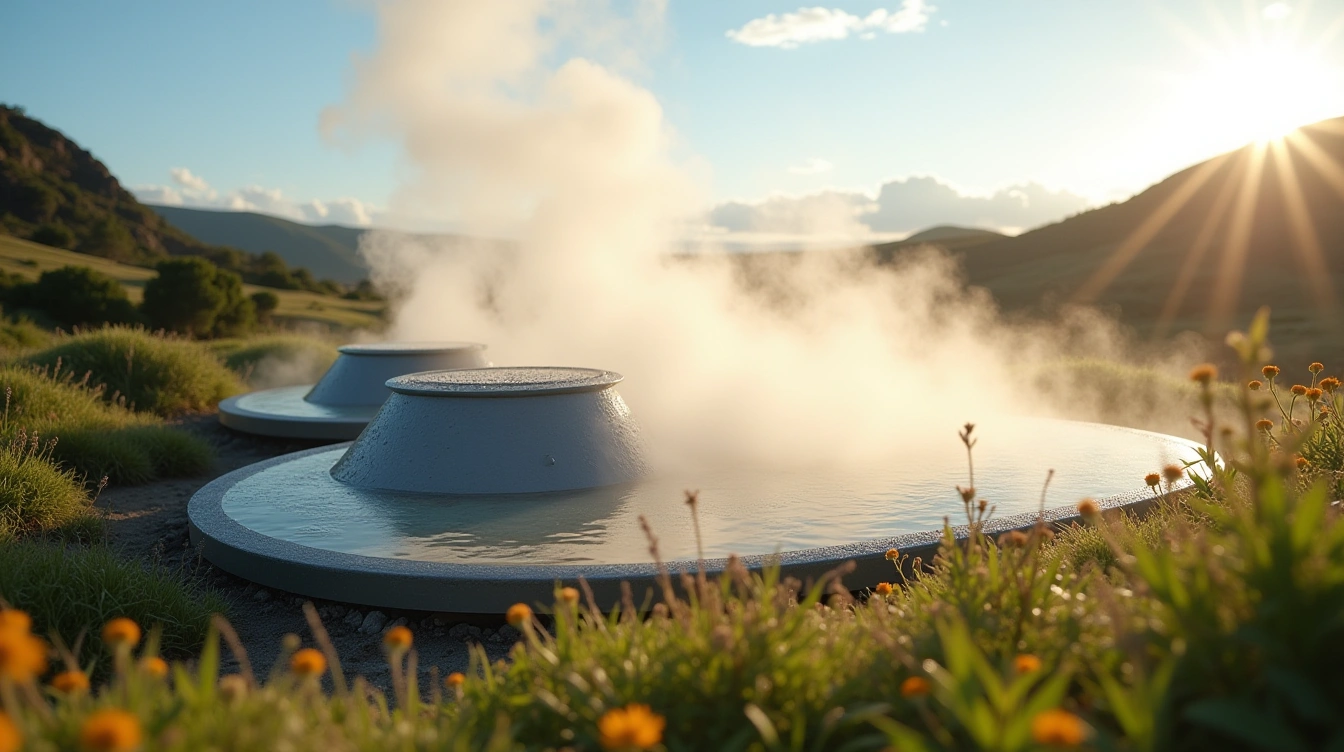
Beneath the Earth’s surface lies a vast and reliable source of heat that never runs out. For centuries, people have harnessed this natural warmth, and today, interest in geothermal energy is growing rapidly. Its unique advantages—ranging from environmentally friendly operation to significant cost savings—make it a compelling solution for those seeking sustainable ways to power homes and businesses.
Why choose geothermal energy?
The demand for solutions that offer low emissions and dependable performance continues to rise. Geothermal power answers these needs by delivering year-round operation with minimal environmental impact. Instead of burning fossil fuels, geothermal systems extract heat directly from underground, resulting in a distinctly low carbon footprint for both residential and commercial properties.
Also to discover : Eco-conscious kitchen makeover: best sustainable materials for your uk renovation
Because geothermal systems operate continuously—regardless of weather—they are among the most reliable renewable energy sources. Unlike solar or wind, which depend on sunshine or breezes, geothermal draws from the Earth’s steady temperature, ensuring it remains always available.
Long-term cost savings compared to alternatives
Adopting geothermal technology brings substantial financial benefits over time. While initial installation costs may be higher than those of conventional HVAC systems, ongoing expenses are typically much lower due to exceptional energy efficiency. Geothermal heat pumps transfer heat rather than create it, reducing electricity use and lowering monthly utility bills.
Also to read : Essential strategies for protecting your hardwood floors in a uk cottage: expert cleaning and maintenance advice
The table below compares typical annual operating costs for home heating across several fuel types:
| 💰 Energy Source | 🏠 Annual Cost (USD) | ⚡ Emissions Level |
|---|---|---|
| 🔥 Oil furnace | $2,000–$2,500 | High |
| 🌲 Natural gas | $900–$1,200 | Medium |
| ♻️ Geothermal heat pump | $400–$700 | Low |
This cost difference allows homeowners to recoup their initial investment within several years, while continuing to benefit from ongoing savings well into the future. For readers interested in learning more about this topic, you can understand geothermal energy benefits with vallourec.
Year-round comfort for heating and cooling
One of geothermal’s greatest assets is its ability to provide heating and cooling applications efficiently throughout the year. In winter, warmth from underground is brought indoors; in summer, indoor heat is transferred back below ground. This dual functionality keeps interior temperatures comfortable while maximizing energy efficiency every season.
Additionally, geothermal systems run quietly since they do not require noisy outdoor units. This creates a more peaceful environment for both homes and workplaces.
Environmental and social advantages
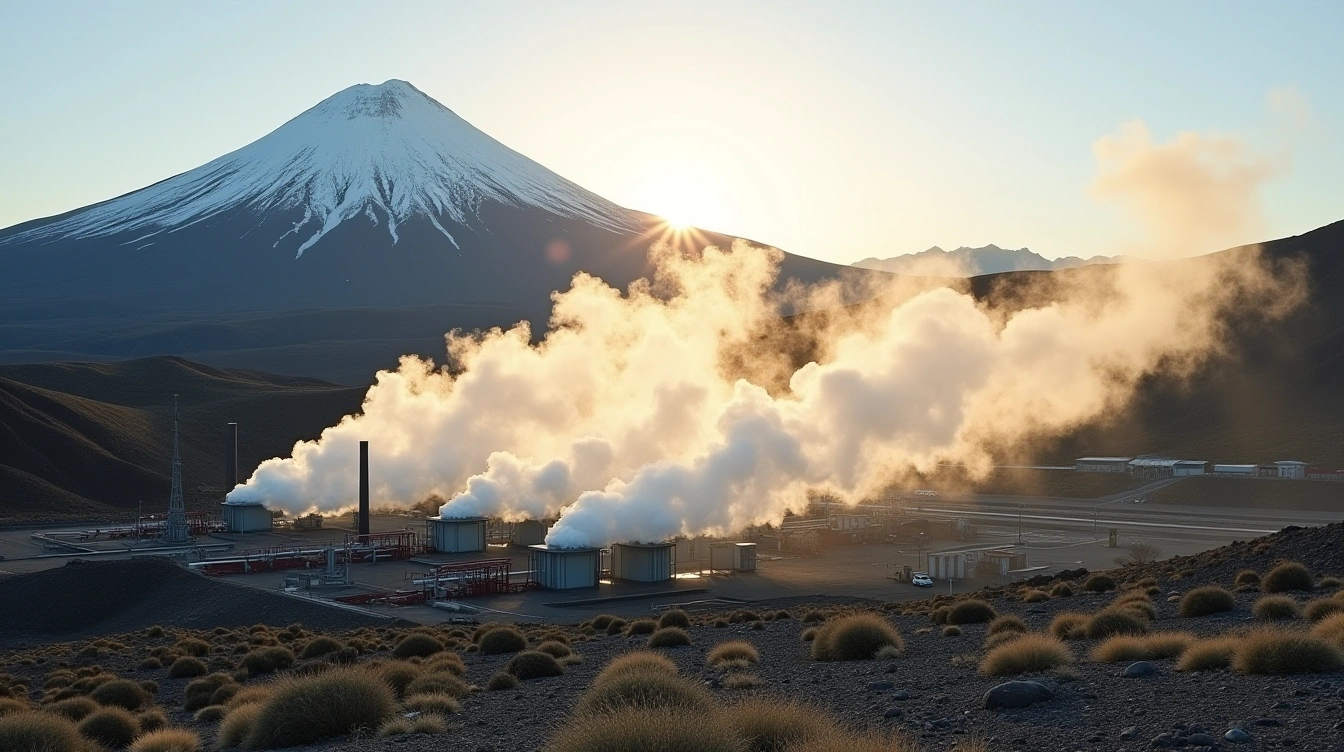
Few energy solutions deliver such profound environmental benefits. Choosing geothermal helps improve air quality and reduces dependence on polluting fuels. Because geothermal is not a fossil fuel, it avoids problems commonly associated with oil, coal, or gas systems.
Furthermore, most geothermal infrastructure is installed underground, allowing facilities to blend seamlessly into the landscape. This minimizes visible equipment and preserves natural scenery, even as communities transition to cleaner technologies.
Reduction in greenhouse gas emissions
Unlike traditional heating and power plants, geothermal operations release very low emissions during normal use. They produce about 99% fewer carbon dioxide equivalents compared to coal-fired utilities, supporting efforts to combat global warming and meet climate targets.
Large-scale adoption of geothermal can help cities significantly reduce their overall output of harmful gases, lessening the burden on the atmosphere.
Energy independence and local economic impacts
Since geothermal resources exist almost everywhere, communities can access local renewable energy without relying on costly imports. Generating efficient, locally sourced power supports regional economies and creates jobs close to home.
- 🌎 Reduces reliance on imported oil and gas
- 💼 Creates skilled employment opportunities in installation and maintenance
- 📊 Encourages stable energy prices unaffected by international markets
These socio-economic factors contribute to stronger, more resilient communities that are better insulated from global supply disruptions.
Efficiency and technical reliability
Geothermal technologies are prized for their inherent energy efficiency. The process of transferring heat returns far more usable energy than what is consumed, yielding an outstanding performance ratio for both heating and cooling spaces.
Reliability is another major advantage. With few moving parts and components protected underground, geothermal systems experience fewer breakdowns and require less maintenance. Many units remain operational for decades with only minimal servicing needed.
Performance in diverse climates
Whether located in snowy regions or hot, arid zones, geothermal delivers effective results in a wide range of environments. Subsurface temperatures change very little, offering a consistent energy source regardless of surface weather conditions.
This stability means predictable comfort and budgeting for homeowners and businesses, free from concerns about seasonal variations impacting system performance.
Always available, resilient operation
Interruptions are rare with geothermal. Unlike other renewables impacted by cloudy weather or calm winds, ground-sourced heat is accessible at any hour. This makes geothermal ideal for critical infrastructure or any setting requiring round-the-clock climate control.
Facilities such as hospitals, data centers, and manufacturing sites especially value this level of dependability, which supports both productivity and safety throughout the year.
Key takeaways for future sustainable energy
As households and businesses seek ways to minimize their carbon footprint, geothermal stands out for its blend of economic, ecological, and practical strengths. It provides one of the most environmentally friendly options for meeting heating and cooling needs all year long, without the uncertainties tied to fossil fuels or fluctuating renewables.
- 🔁 Renewable energy source with a virtually endless supply
- 🏆 High efficiency leads to substantial cost savings
- 👌 Reliable operation whenever needed
- 🌱 Not a fossil fuel, with low emissions for cleaner air
- 🌡 Heating and cooling applications suitable for most climates
Common questions about geothermal energy and its benefits
What makes geothermal energy more environmentally friendly than other sources?
Geothermal produces extremely low emissions and eliminates the need for direct combustion of fossil fuels. These systems tap into the Earth’s natural heat instead of burning oil, coal, or wood, so there is no smoke or soot released. Choosing geothermal leads to:
- 🌿 Fewer greenhouse gas emissions
- 🧘 Minimal noise and visual disruption
- 🍃 No toxic exhaust entering the atmosphere
How effective are geothermal heating and cooling applications throughout the year?
Geothermal offers stable performance in every season. Underground temperatures remain nearly constant, allowing systems to function efficiently through both cold winters and hot summers. This ensures comfortable interiors and consistent energy demand all year round.
- ❄ Winter: Efficient extraction of ground heat
- ☀ Summer: Removal of building heat back to the earth
Is geothermal energy truly a renewable energy source?
Yes, geothermal depends on vast heat reserves generated deep within the Earth’s core, which are constantly replenished. Unlike fossil fuels that diminish over time, geothermal’s resource is naturally enduring, making it a renewable energy source in practice.
| ♻️ Feature | 🏭 Fossil Fuels | 🌍 Geothermal |
|---|---|---|
| Resource longevity | Finite / Depletes | Inexhaustible |
| Carbon emissions | High | Extremely low |
Are there cost savings when investing in geothermal compared to traditional systems?
Most owners experience significant reductions in heating and cooling costs after installing geothermal systems. Though upfront installation is more expensive, annual operating expenses decrease thanks to superior energy efficiency. Typically, these systems pay for themselves within ten years and continue to generate savings for many years afterward.
- 📉 Lower monthly energy bills
- 🔨 Reduced need for repairs
- 🪙 Long service life spreads out investments